
Compare and book your private jet flight
Most-requested routes
Routes our clients book most.

Paris → New York
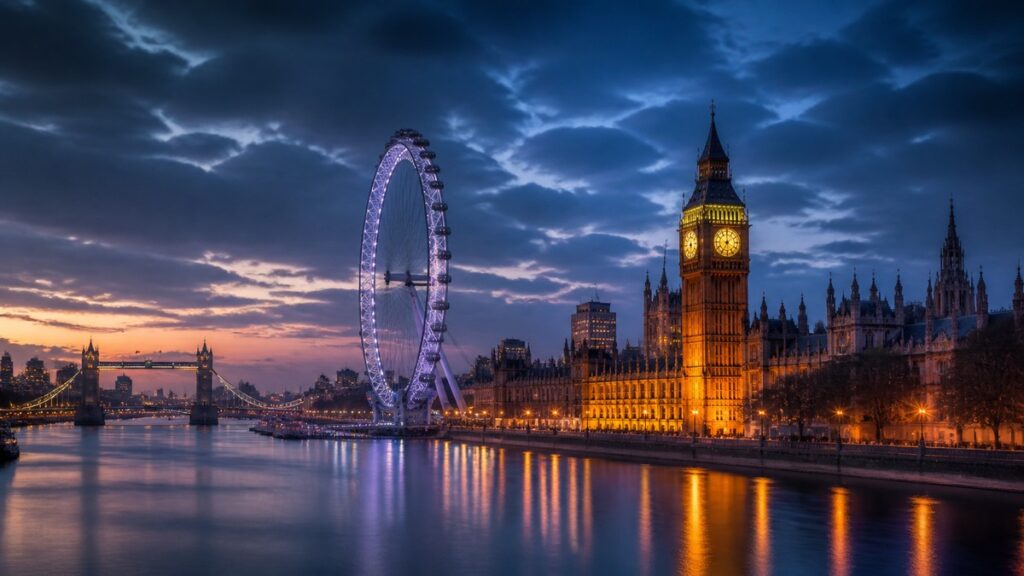
Paris → London
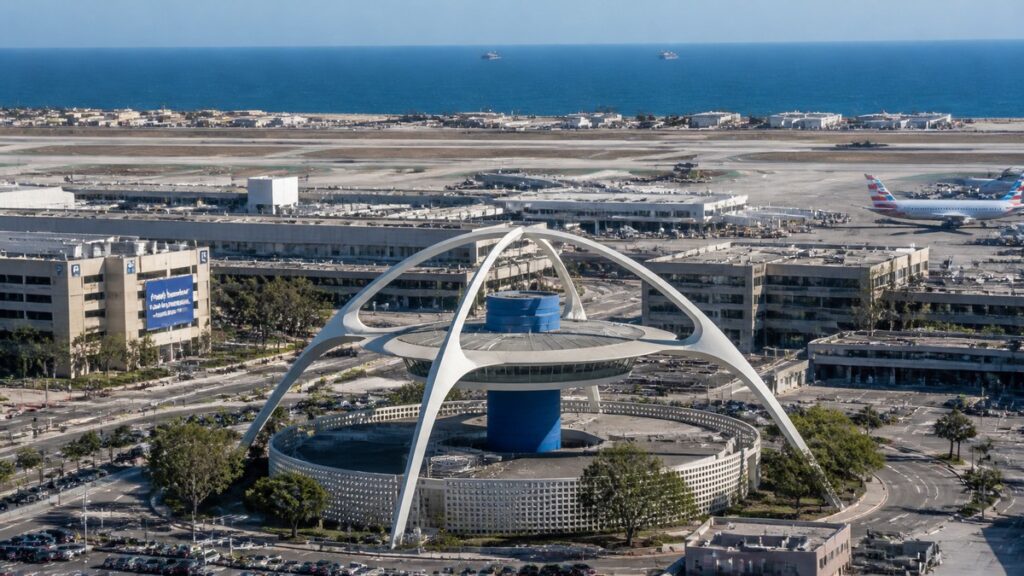
Paris → Los Angeles

Saint-Tropez → Paris

Geneva → Dubai

Paris → Tokyo
All airports
Discover the favorite stops of our discerning clients.
All our private jet routes
Where are you flying from?
Europe
North America
Middle East
Asia
Oceania
Most popular jet models
A curated selection of aircraft combining technical performance and absolute comfort to meet the highest demands.
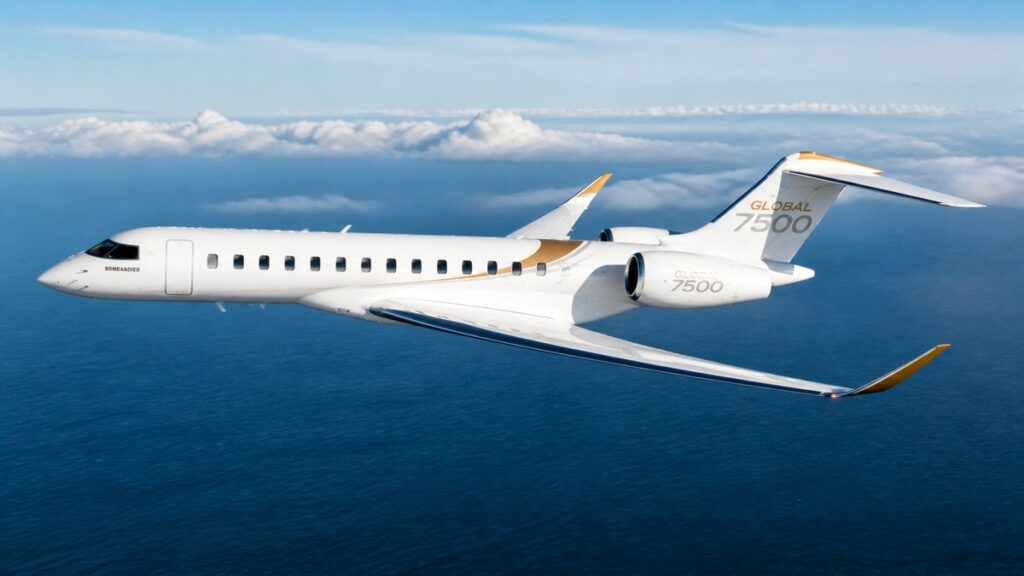
Bombardier Global 7500
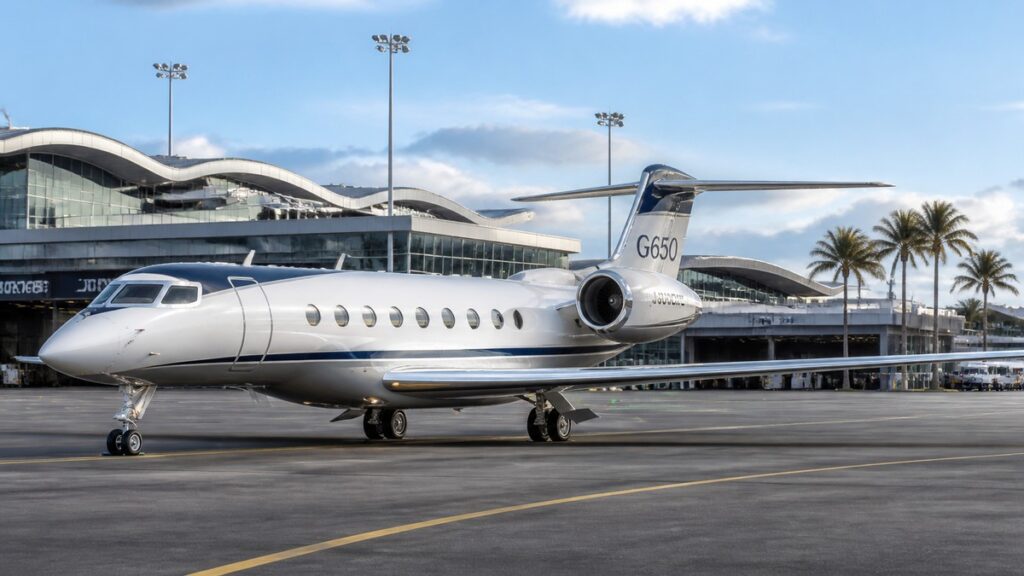
Gulfstream G650
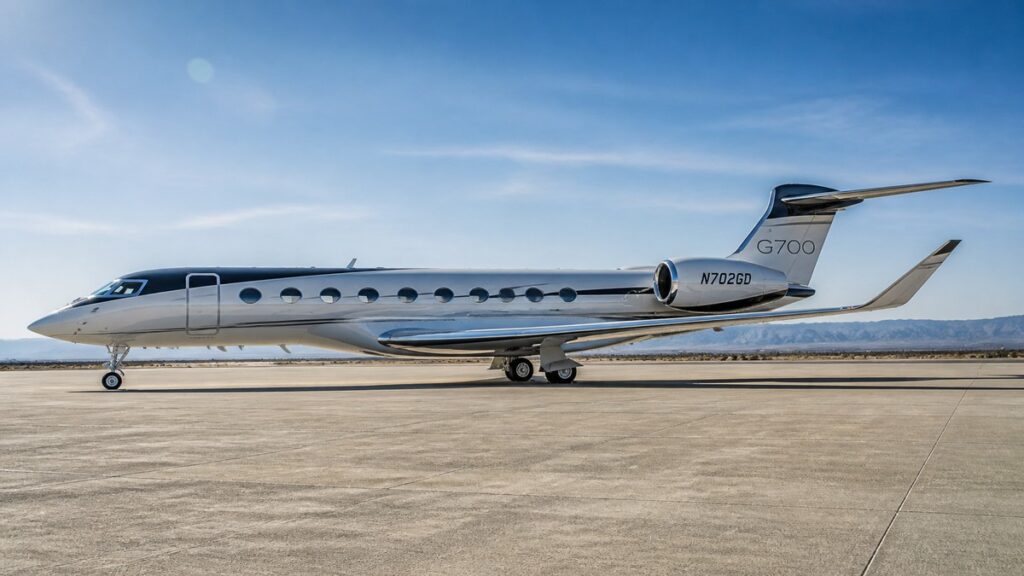
Gulfstream G700
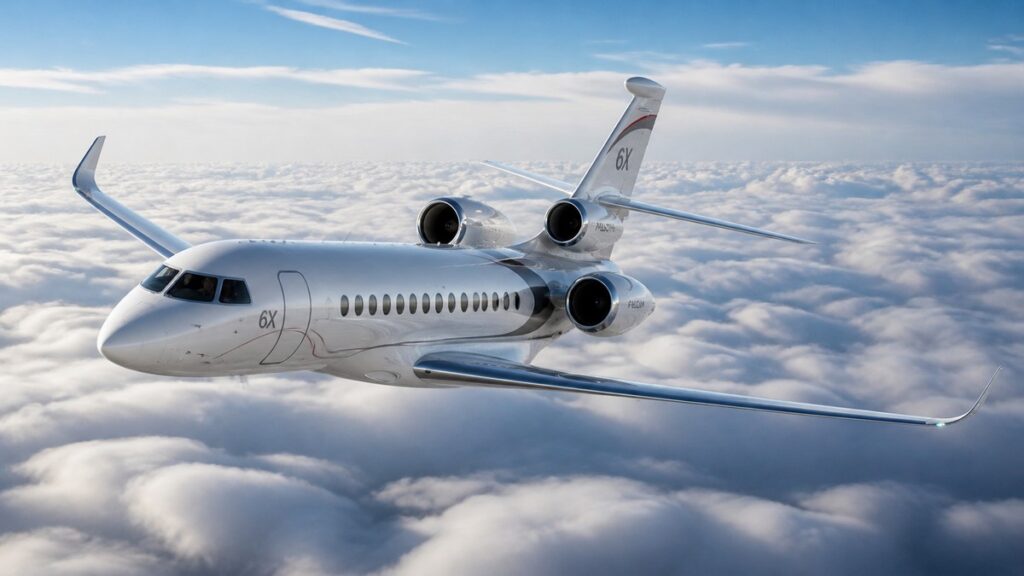
Falcon 6X
News
Insights, trends and behind-the-scenes of private aviation.
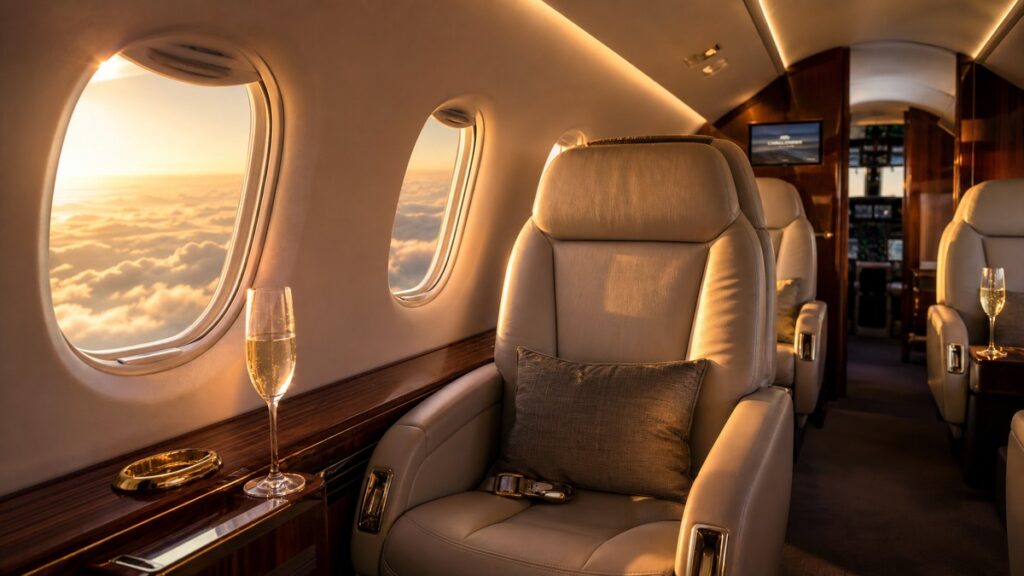
Private jet charter: real prices and costs in 2026
How much does it cost to charter a private jet in 2026? From £3,000 for a regional turboprop flight to over £155,000…
Read article
Full comparison of private jet companies in 2026
Comparison of the best private jet companies in 2026: global operators (NetJets, VistaJet, Flexjet), French brokers (AeroAffaires, LunaJets, PrivateFly) and new models.…
Read article
Long-haul private jet: best aircraft, routes and prices 2026
Complete guide to long-haul private jets in 2026: comparison of the best aircraft (Bombardier Global 7500, Gulfstream G700, Dassault Falcon 10X), intercontinental…
Read article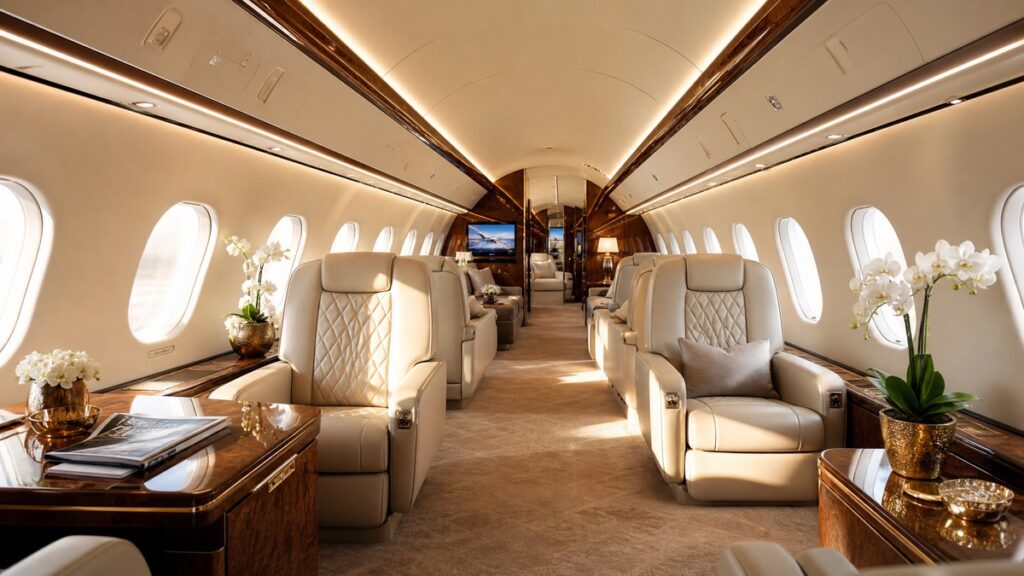
Inside a private jet: cabin, materials, technology, comfort…
Discover the interior of a private jet: bespoke leather seats, gourmet galley, master bedroom suite, high-speed Wi-Fi technology, premium materials. Complete zone-by-zone…
Read article
Dassault Falcon private jet: complete guide to the 2026 range
Discover the full Dassault Falcon range in 2026: from the entry-level Falcon 2000LXS to the new ultra-long-range Falcon 10X. Specifications, charter prices,…
Read article
Low-cost private jet: 7 ways to fly for less
Complete guide to flying by private jet for less in 2026: empty legs up to -80%, Very Light Jets from €1,500/h, turboprops,…
Read article
Turboprop jets 2026: the complete guide to private charter
Turboprops cost 30–50% less than light jets, fly into 7,000+ airports no jet can use and beat jets door-to-door on regional missions.…
Read article
Travelling with your team: optimising a group business trip by private jet
How to choose your aircraft, organise your cabin and structure your trip when moving an entire team for a strategic project.
Read article
Paris-Le Bourget: the reference business airport in Europe
Le Bourget is Europe's leading business airport: 45,000 movements per year, 5 FBOs, 15-minute average processing time. Complete guide to terminals, access…
Read article
A private jet flight, step by step: from booking to landing
How does a private jet flight actually work? Booking in 2 hours, arriving 15 minutes before departure, formalities in 5 minutes, luggage…
Read articleAll your questions
Everything you need to know before booking your first private jet flight.
How much does a private jet flight cost? expand_more
The price depends primarily on the aircraft category and the distance. To give a sense of scale in 2026: a Paris–Geneva on a Light Jet runs €6,000 to €9,000, a Paris–Nice €8,000 to €14,000, and a Paris–New York on an Ultra Long Range €95,000 to €160,000.
These rates are for the whole aircraft, not per passenger. On a per-seat basis, they often become comparable to commercial business class once you reach 4 to 6 passengers — with a radically different experience.
The range is wide because many factors come into play: aircraft type, positioning of the aircraft before the flight (repositioning fees), FBO used, catering, and season. A quote takes 15 to 30 minutes and carries no commitment.
Is the price per person or for the whole aircraft? expand_more
For the whole aircraft, always. It's one of the fundamental principles of private aviation: you charter a complete aircraft, not a seat.
The practical consequence: a group of 6 pays exactly the same as a single passenger on the same aircraft. The more people on board, the lower the per-person cost. That's why team trips on a private jet become economically competitive with business class from 4 or 5 passengers on the same flights.
The aircraft's maximum capacity is shown on every quote. It ranges from 4 seats (Very Light Jet) to 16 seats (Large Jet or heavy jet).
What's included in the price? Are there hidden fees? expand_more
A serious quote includes: the aircraft, fuel, the crew (pilot and co-pilot, sometimes a flight attendant), standard airport fees, the FBO (private terminal), and basic catering.
What may be added depending on the case: repositioning fees if the aircraft has to come from another airport, fuel surcharges on long flights, bespoke catering, customs fees on certain destinations, and extended parking if the aircraft waits for several days.
Always ask for an "all-inclusive" quote and specify your exact itinerary. Reputable operators itemise every line — be wary of prices that seem too low and exclude repositioning.
How far in advance do I need to book? expand_more
Far less than people imagine. In most cases, a flight can be confirmed within 2 to 4 hours. Booking a jet for tomorrow morning at 8 am tonight at 8 pm is perfectly realistic — provided a suitable aircraft is available in the region.
In practice: for a weekday flight on a common route (Paris–London, Paris–Geneva, Paris–Nice), booking the day before is very often possible. For an intercontinental flight or in high season (Christmas, July–August, World Cup, Monaco Grand Prix), planning 2 to 4 weeks ahead is advisable to secure the choice of aircraft and FBO.
Operators are reachable 24/7 — including Sunday evening for a Monday morning departure.
How does boarding work? Are there security checks? expand_more
Boarding a private jet is radically different from a commercial airport. You arrive at the private terminal (FBO) 10 to 15 minutes before departure. Your driver often pulls up directly at the foot of the aircraft. There's no queue, no PA announcement, no security checkpoint with conveyor belt.
Formalities consist of presenting your ID or passport (mandatory even for intra-Schengen flights), and dropping off your luggage, which is loaded into the hold immediately. For flights outside the Schengen area (UK, USA, Middle East), customs are handled inside the private terminal, in a few minutes.
From the moment you set foot in the terminal to the moment the aircraft takes off: count on 15 minutes on average.
Can I travel with my pet? expand_more
Yes, and it's one of the great advantages of private flight. The vast majority of operators accept dogs, cats and other pets in the cabin — not in the hold. Your animal travels with you, with no mandatory crate on most aircraft.
Conditions to check: up-to-date vaccination record, European pet passport for intra-EU flights, and for the United Kingdom specific rules apply (mandatory parasite treatment 24 to 120 hours before the flight). For the United States, a recent veterinary certification is required.
Mention your pet at the quote stage: species, breed, weight. The operator makes sure the aircraft is suitable and tells you which documents are required for the destination.
How much luggage can I bring? expand_more
There is no luggage allowance in the commercial sense — no "23 kg maximum per person" rule. The only limit is the physical capacity of the aircraft's hold, which varies a lot by category.
A Light Jet (6 seats) has a hold of roughly 90 to 120 litres — enough for cabin-sized bags, but limited for hard cases. A Midsize Jet (8 seats) offers 150 to 170 litres. A Challenger 350 or a Gulfstream G550 reaches 200 to 500 litres depending on the version.
For special equipment (skis, bikes, golf gear, musical instruments, medical equipment), specify the dimensions when booking. On heavy and ultra-long-range jets, it's common to bring suitcases, moving boxes or professional equipment at no extra cost.
What is an empty leg flight and how can I take advantage of it? expand_more
When a private jet has to move without passengers to reach its next pickup or return to base, the operator can sell that leg "empty" at a reduced price — typically 30 to 75% less than a standard charter flight.
These flights are listed on dedicated platforms or shared by brokers with their client base. The upside: the price. The downside: limited flexibility — the route, date and time are set by the operator, not by you.
To take advantage of them: stay flexible on dates, sign up for alerts from a broker or platform, and be ready to act quickly — the best empty legs sell out within hours. Ideal for leisure trips where flexibility isn't constrained by a corporate calendar.
Are private jets as safe as commercial aircraft? expand_more
The question deserves a precise answer. Overall, scheduled commercial aviation remains statistically the safest, but certified business jets operate to comparably strict safety standards.
What guarantees an operator's safety level: the Air Operator Certificate (AOC), issued by the country's civil aviation authority (DGAC in France, CAA in the United Kingdom). Any aircraft chartered commercially must be operated by an AOC holder.
When booking, you can ask for: the operator's AOC number, the aircraft's certifications, and the safety record (IS-BAO, Wyvern, ARGUS). Reputable brokers only offer verified AOC aircraft. Avoid uncertified offers that occasionally circulate on social media.
What happens if the aircraft breaks down before departure? expand_more
Mechanical issues happen in private aviation as everywhere else. What matters is the operator's procedure when one occurs.
A serious operator always has a backup plan: either a replacement aircraft within their fleet, or a network of partners that can find an equivalent aircraft as quickly as possible. The broker or operator informs you immediately and handles the substitution — your flight may be delayed by 1 to 3 hours, rarely more.
It's a good reason to work with an established operator or broker rather than an anonymous intermediary: the ability to solve a problem quickly depends directly on the strength of the network.
Can I use my phone and internet during the flight? expand_more
Yes on the vast majority of modern jets, with important nuances. In-flight phone use is possible if the aircraft is equipped with an Air-to-Ground (ATG) or satellite system. Wi-Fi is available on most Midsize aircraft and above.
Quality varies depending on the system installed. Older Iridium or Swift Broadband systems handle web browsing and messaging, but not video calls. Modern Ka-band and Ku-band systems (available on recent jets: Challenger 350, Citation Longitude, Gulfstream G650 and above) deliver speeds of 15 to 25 Mbps — enough for simultaneous HD video calls with 4 or 5 participants.
If high-speed connectivity is essential, mention it when booking. The broker will check the equipment of the aircraft proposed.
Which airports can private jets use? expand_more
It's one of the most underrated advantages of private flight: access to airports unavailable to commercial airlines. In Europe alone, more than 1,000 airports are usable by general and business aviation, against around a hundred for commercial aviation.
Concrete examples: Courchevel (mountain runway, reserved for light aircraft), Megève, Deauville, Biarritz, La Mole (Saint-Tropez), Olbia Venafiorita (Sardinia), Stornoway (Scotland). On the city side: in Paris, Le Bourget is the dedicated hub — 15 minutes from the centre against 45 for CDG.
This often means a shorter total door-to-door journey, even on destinations where commercial flights exist. The arrival airport is chosen at booking, based on your final destination and the size of the aircraft.
Can I travel very early in the morning or very late at night? expand_more
Yes, and that's a major operational difference with commercial airlines. Private flights have no counter timing or commercial frequency constraint.
At Paris-Le Bourget, departures at 5:30 am or arrivals at 11:30 pm are routinely operated. The only limit is the noise curfew of the destination airport: some airports (notably in the United Kingdom and Germany) impose strict night restrictions. Your operator checks compliance at booking.
In practice, if you have to be in London for a 9 am meeting, you can take off from Le Bourget at 7:15 am and land at Farnborough or Luton at 8:30 am — impossible commercially on that schedule.
Can I smoke on a private jet? expand_more
The short answer: no, on virtually all aircraft offered for charter. Smoking is forbidden in the cabins of business jets operated commercially, for safety reasons (smoke detectors, sensitive fire-suppression systems) and regulatory ones.
A few rare private aircraft of large corporations have specific filtration systems that allow tobacco — but those are owned aircraft, not available for public charter.
E-cigarettes (vaping) are also generally prohibited. On the other hand, intermediate technical stops are possible on request — your co-pilot can schedule a 20-minute stop at a transit airport if it fits your itinerary.
Can I modify or cancel a flight after booking? expand_more
Yes, with conditions that vary by operator and by how far ahead of the flight you act. Flexibility is far better than in commercial aviation, but it isn't unlimited.
Most contracts allow cancellation at no charge up to 48 or 72 hours before departure. Below that, penalties apply, ranging from 25% to 100% of the rate depending on the time remaining.
Itinerary changes (destination or schedule) are generally possible subject to aircraft availability. An airport change may incur additional fees if the aircraft has to reposition. Always ask for the cancellation terms before signing — they must be stated explicitly in the charter contract.
What's the difference between a broker and a private jet operator? expand_more
The operator owns or manages the aircraft and holds an AOC certification. They are directly responsible for the flight, maintenance and crew.
The broker is an intermediary who accesses the market to find you the best aircraft at the best price across several operators. They don't own aircraft but know the market in depth — availability, rates, operator reputation. Major brokers such as AeroAffaires, LunaJets or PrivateFly have access to several thousand aircraft worldwide.
For the customer, the broker offers an advantage: they compare on your behalf and can negotiate rates, particularly on empty legs. The downside: an additional intermediary. In practice both formulas work well — the quality of the relationship matters more than the model.