Compare & book your flight
Jet privé Tokyo - Seoul
Your flight Tokyo - Seoul
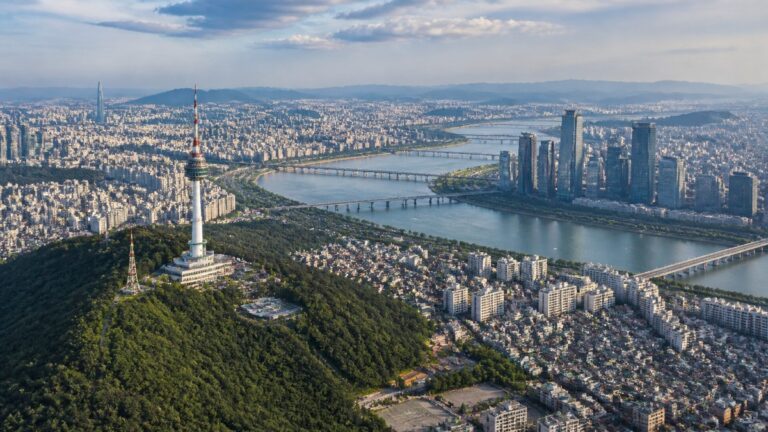
Tokyo – Seoul is the quintessential short-haul private jet corridor of East Asia — 1,175 km over the Sea of Japan, two hours from Haneda (HND) to Incheon (ICN). The two capitals share a complex cultural proximity: the mutual fascination between Japan and Korea is visible in fashion (Harajuku meets Gangnam), gastronomy (Japanese omakase culture versus Korean BBQ innovation) and design. Private jet passengers on this route are architects, art directors, gallerists and tech entrepreneurs making the journey on a weekly basis.
flight_takeoffBook a flightAt 1,175 km, the route is perfect for light to midsize jets. The Phenom 300E handles it efficiently for 4 to 6 passengers. The Citation XLS+ adds cabin space — ideal for buyers transporting samples and prototypes between design studios in Tokyo and Seoul. The Legacy 500 with its stand-up cabin provides the right working environment for this two-hour flight.
Tokyo’s Haneda (HND) is the benchmark departure point, well-positioned with the Galaxy Air private terminal. In Seoul, Incheon (ICN) handles private aviation through dedicated FBOs. The route is subject to North Korean ADIZ airspace restrictions — your operator files the required diplomatic notices, with no inconvenience whatsoever to passengers. The detour adds no meaningful time to the journey. Demand peaks follow the Asian arts calendar: Art Fair Tokyo (May), Frieze Seoul (September), Seoul Fashion Week (March/October).
Practical information
- Distance: 1,175 km — Estimated flight time: 2h00 to 2h30
- Departures: Tokyo Haneda (HND) or Narita (NRT)
- Arrivals: Seoul Incheon (ICN) or Gimpo (GMP)
- Visa: Both countries offer visa-free access to EU nationals
- Time difference: Tokyo and Seoul share the same time zone (UTC+9)
- Art events: Frieze Seoul (September), Art Fair Tokyo (May)
- Dining: 200+ Michelin stars in Tokyo vs Seoul’s neo-Korean scene
Estimated flight time
2h00 – 2h30
Direct sans escale
Passenger capacity
4–9 pax
Selon configuration avion
Operator comparison
| Operator | Availability | Reviews | Starting price |
|---|---|---|---|
| PrivateJetFinder | signal_cellular_4_bar Very high (Marketplace) | star 4.3/5 |
15 000 €
Book
|
| LunaJets | signal_cellular_3_bar High (Marketplace) | star 4.6/5 |
18 000 €
Book
|
| VistaJet | signal_cellular_4_bar Very high (Subscription) | star 4.7/5 |
23 000 €
Book
|
| NetJets | signal_cellular_4_bar Very high (Subscription) | star 4.8/5 |
29 000 €
Book
|
-
15 000 €
PrivateJetFinder
star 4.3/5signal_cellular_4_bar Very high · Marketplace Book arrow_forward -
18 000 €
LunaJets
star 4.6/5signal_cellular_3_bar High · Marketplace Book arrow_forward -
23 000 €
VistaJet
star 4.7/5signal_cellular_4_bar Very high · Subscription Book arrow_forward -
29 000 €
NetJets
star 4.8/5signal_cellular_4_bar Very high · Subscription Book arrow_forward
Average price per aircraft model
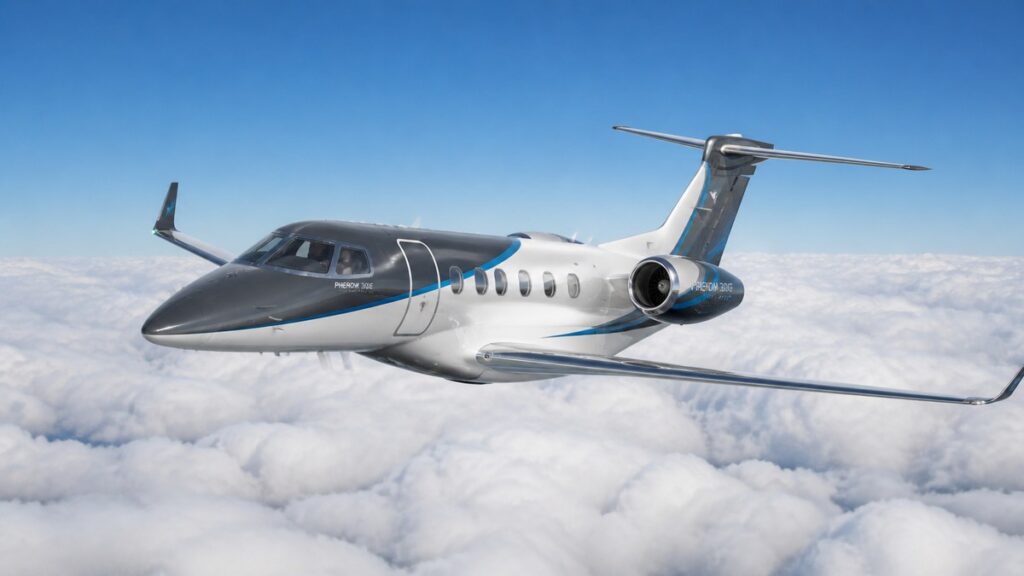
Phenom 300E
The Embraer Phenom 300E is the world's best-selling private light jet for several consecutive years. Its well-appointed cabin, trans-European range, and short-runway performance make it the aircraft of choice for regional business travel.
Passengers
Up to 9
Duration
2h
Speed
Mach 0.78
Estimated price
15 000 €
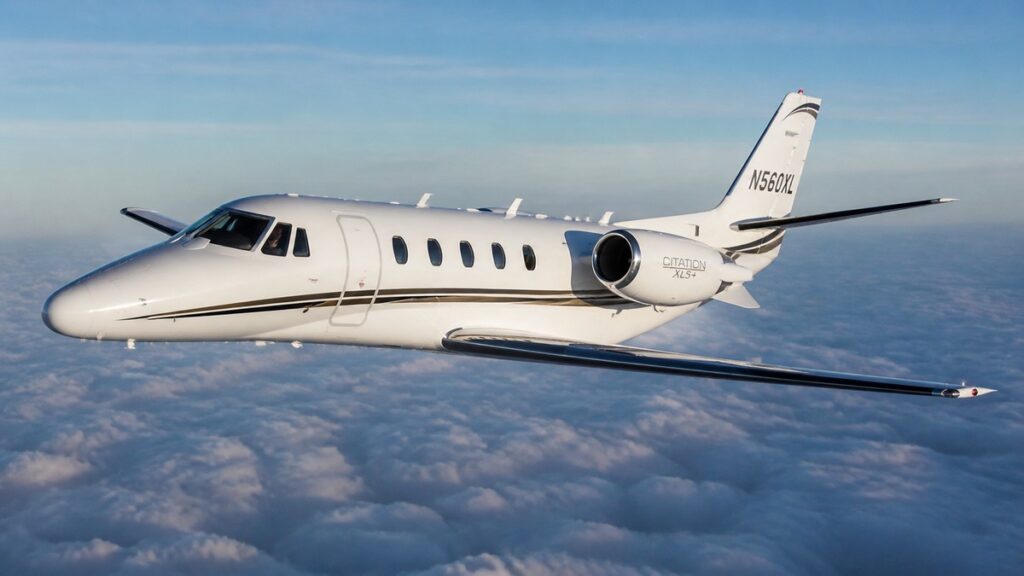
Cessna Citation XLS+
The Citation XLS+ is one of the world's most popular mid-range business jets. Its stand-up cabin, short-field performance and legendary reliability make it the favourite of European operators.
Passengers
Up to 9
Duration
2h05
Speed
Mach 0.75
Estimated price
18 500 €
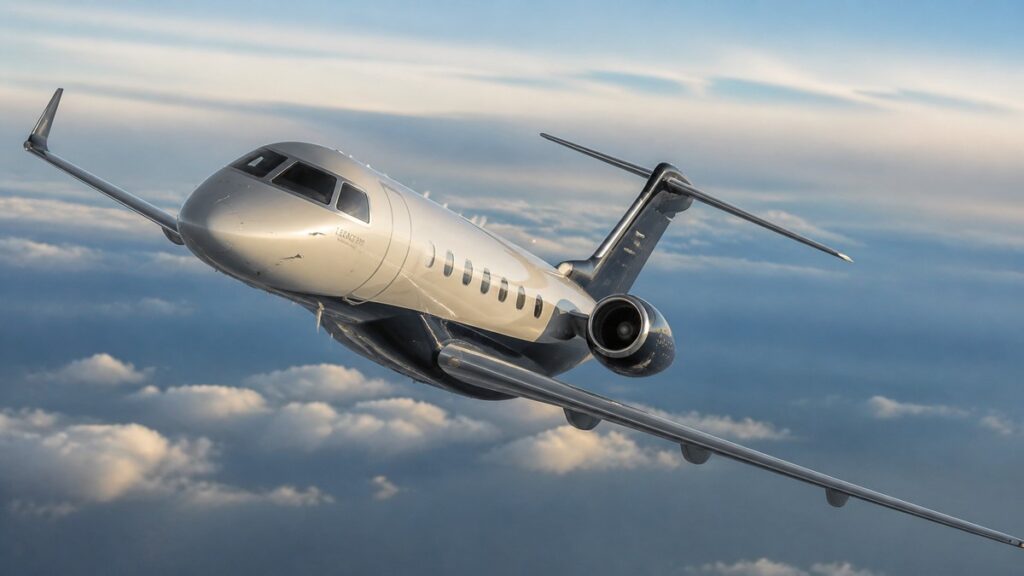
Embraer Legacy 500
The Embraer Legacy 500 is the most advanced aircraft in the Legacy range. Its 9-metre cabin with lie-flat seats, fly-by-wire controls and 5,560 km range make it a direct competitor to heavy jets.
Passengers
Up to 12
Duration
—
Speed
Mach 0.83
Estimated price
23 000 €
Route Tokyo – Seoul
Airports available in Tokyo
Tokyo Haneda (HND)
Tokyo Haneda (HND) est l'aéroport principal de Tokyo pour l'aviation privée internationale — à seulement 30 minutes du centre-ville, de Roppongi et de Marunouchi. Son terminal dédié Galaxy Air offre un traitement rapide des formalités et un accès direct au tarmac. HND est de loin préféré à Narita (NRT) pour les arrivées privées grâce à sa proximité et à ses créneaux moins encombrés.
Tokyo Narita (NRT)
Tokyo Narita International. Principaux vols long-courriers.
Airports available in Seoul
Seoul Incheon International (ICN)
Séoul Incheon International. Principal hub de Corée du Sud.
Seoul Gimpo International (GMP)
Seoul Gimpo. Domestic and regional flights.
All your questions about the flight Tokyo – Seoul
Between €15,000 and €29,000 one way. The Phenom 300E at €15,000 is ideal for 4 to 6 passengers. The Citation XLS+ at €18,500 offers greater luggage capacity. The Legacy 500 at €23,000 is chosen for 8 to 9 passengers or executive teams.
North Korean airspace is restricted and closely monitored. Private jets on the Tokyo–Seoul corridor follow approved routes that circumvent DPRK airspace. Your operator submits the required NOTAMs (Notices to Airmen) and diplomatic clearances — passengers experience no disruption whatsoever. The detour adds no significant time to the journey.
Gimpo (GMP) carries historical significance for Tokyo–Seoul travel (formerly the main Kimpo Airport) and is 20 minutes from Gangnam — faster transit to central Seoul. Incheon (ICN) is the modern international hub with better FBO infrastructure. For most private jet arrivals, ICN is the standard.
Absolutely. The commercial alternative involves two hours of check-in, crowded T2 terminals, immigration queues and 90 minutes by bus or rail from Narita. Door-to-door by private aviation: 3h30 in total. Door-to-door by commercial: 5 to 6 hours. For executives, the premium is more than justified by a half-day reclaimed.
Yes — it is one of the most popular North-East Asia itineraries. Fly into Tokyo (HND), two days in the city (Roppongi Art Night, breakfast at Tsukiji, shopping in Daikanyama), then HND–ICN (2h), two days in Seoul (Frieze Seoul, Bukchon Hanok Village, dinner at Gaon). Return from ICN.
Japan has strict customs (declaration of valuables, food/plant restrictions, medication checks). Korean customs are equally rigorous but slightly more efficient for regular business travellers. Both countries require a passenger manifest submitted 24 hours before arrival. Currencies above ¥1 million (Japan) or ₩10 million (Korea) must be declared.